
OPUS
Role: Lead Product Designer
Timeline: 18 Months (2024- 2025)
Stack: Figma, Vue.js, C#
Overview OPUS was a massive undertaking. The existing system hadn’t been touched since 2002—meaning the software was older than some of the junior devs on the team. My job wasn’t just to give it a “fresh coat of paint,” but to figure out why the original machine was broken and how to fix it for a modern browser environment.
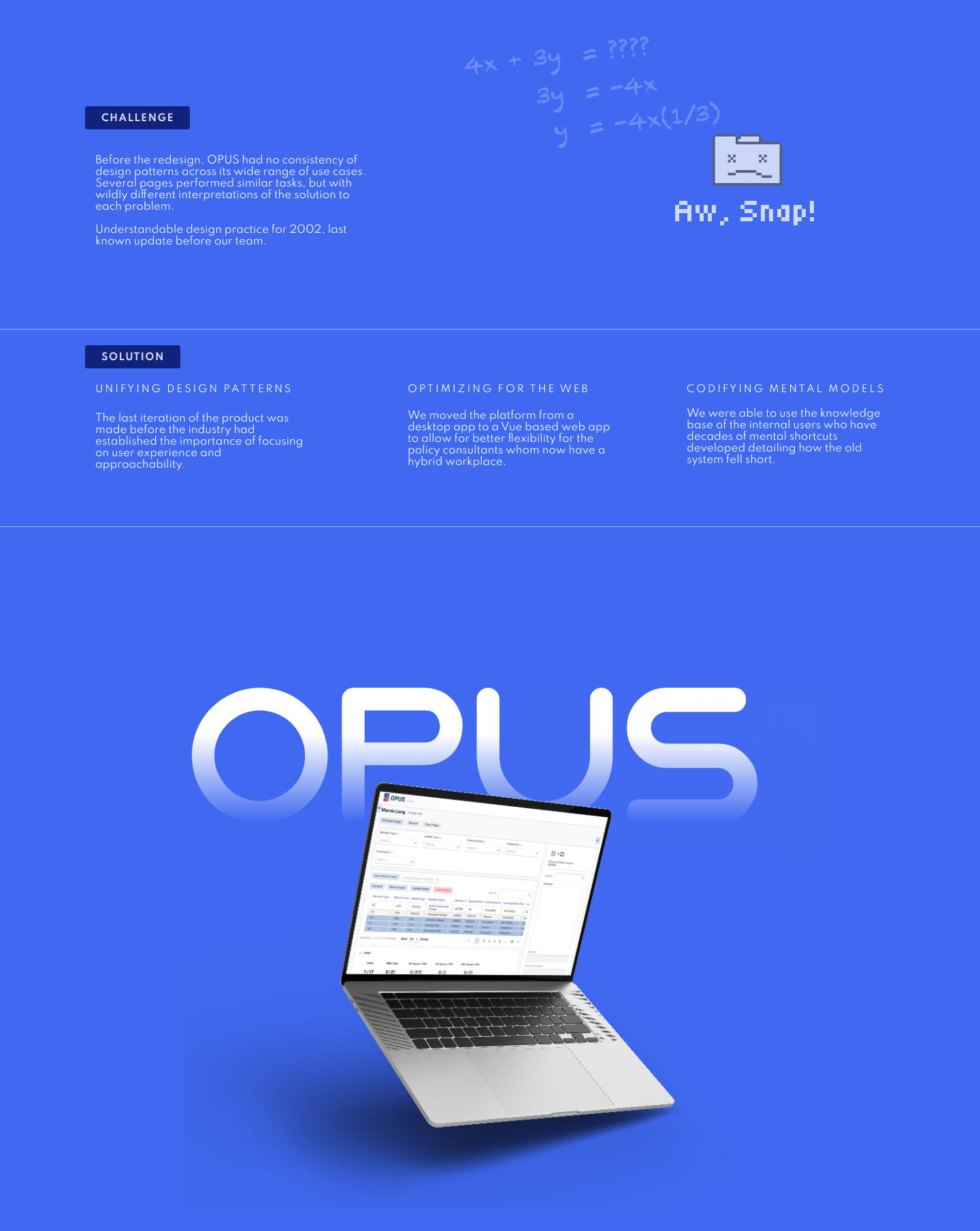
The Challenge: Breaking 20 Years of Habits
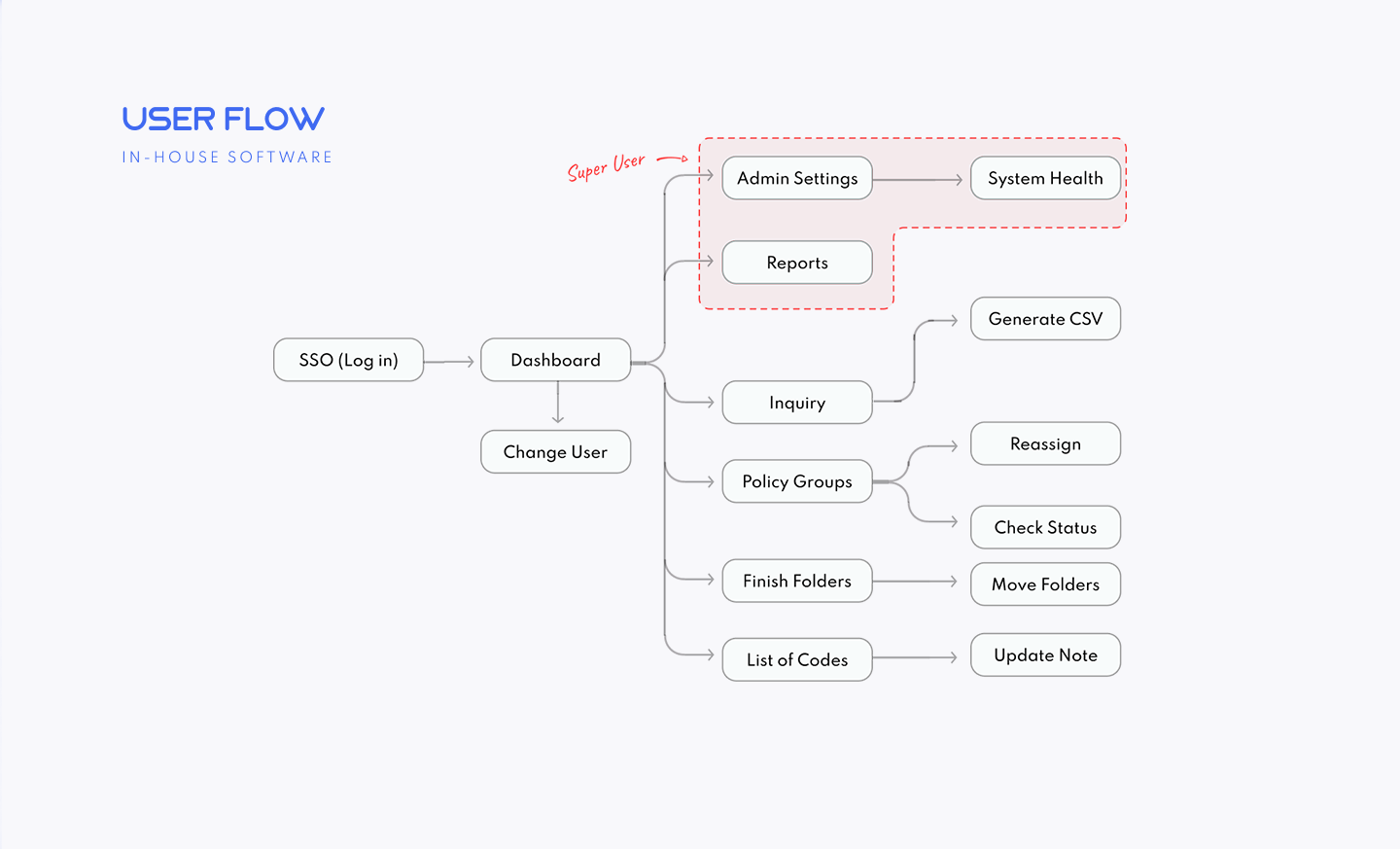
The legacy system was so outdated that users had built their own “survival guides”—complex mental shortcuts and “shadow” email chains—just to get through their daily tasks.
The Goal: Modernize the UI without breaking the productivity of power users who could navigate the old system with their eyes closed.
The Reality: I had to design within the constraints of a Vue/C# backend while ensuring the new system felt like a step forward, not a hurdle.
How We Built It
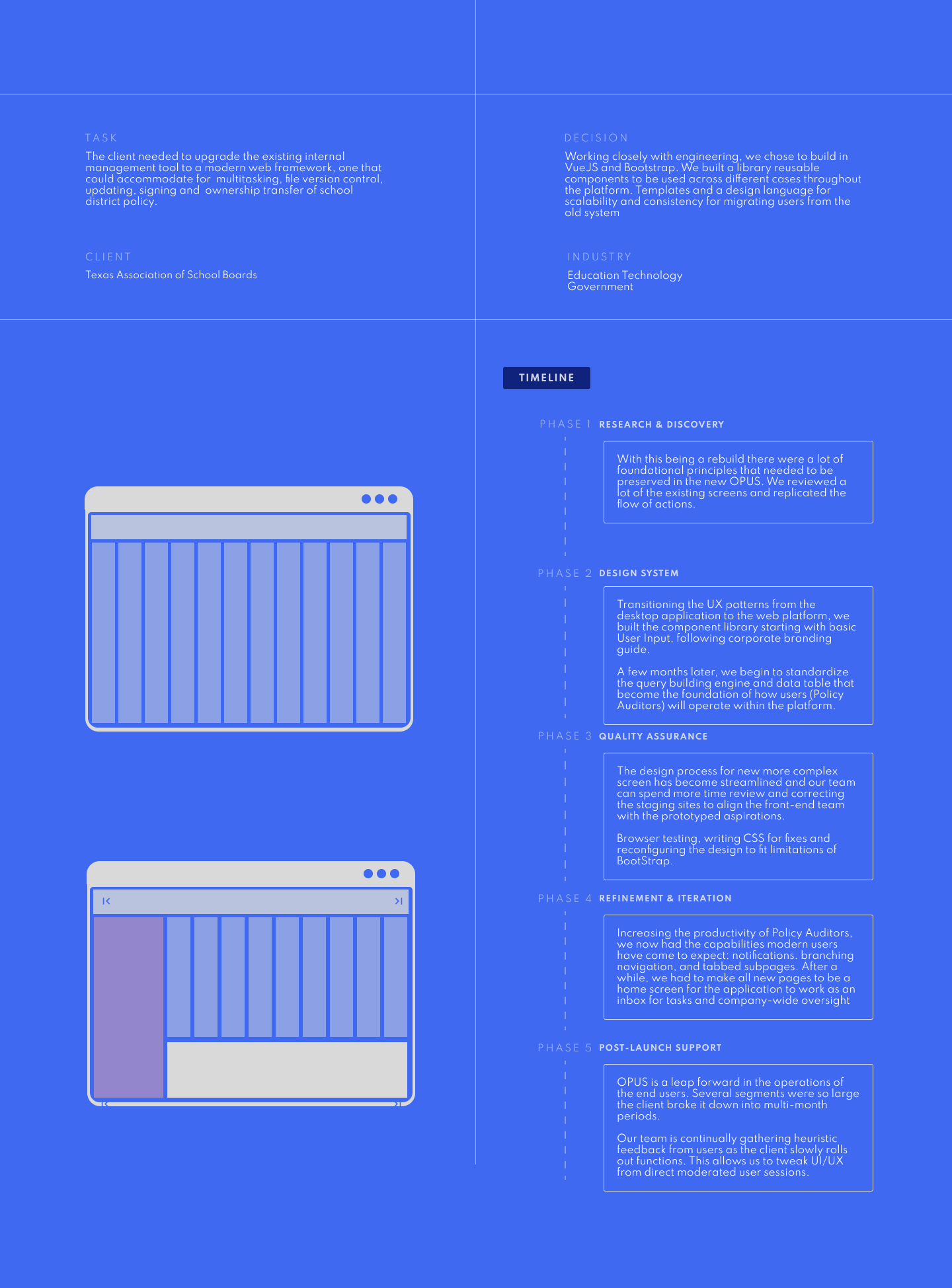
Design stayed at least one phase ahead of the engineering team throughout the 7-stage rollout. This “buffer” was critical—it gave us room to fail, test, and pivot without slowing down production.
Collaborative Prototyping: I didn’t just hand over designs. I held live sessions with industry veterans, editing Figma components in real-time. We’d tweak a layout until they said, “That’s it—that makes sense.” This turned potential critics into our biggest supporters.
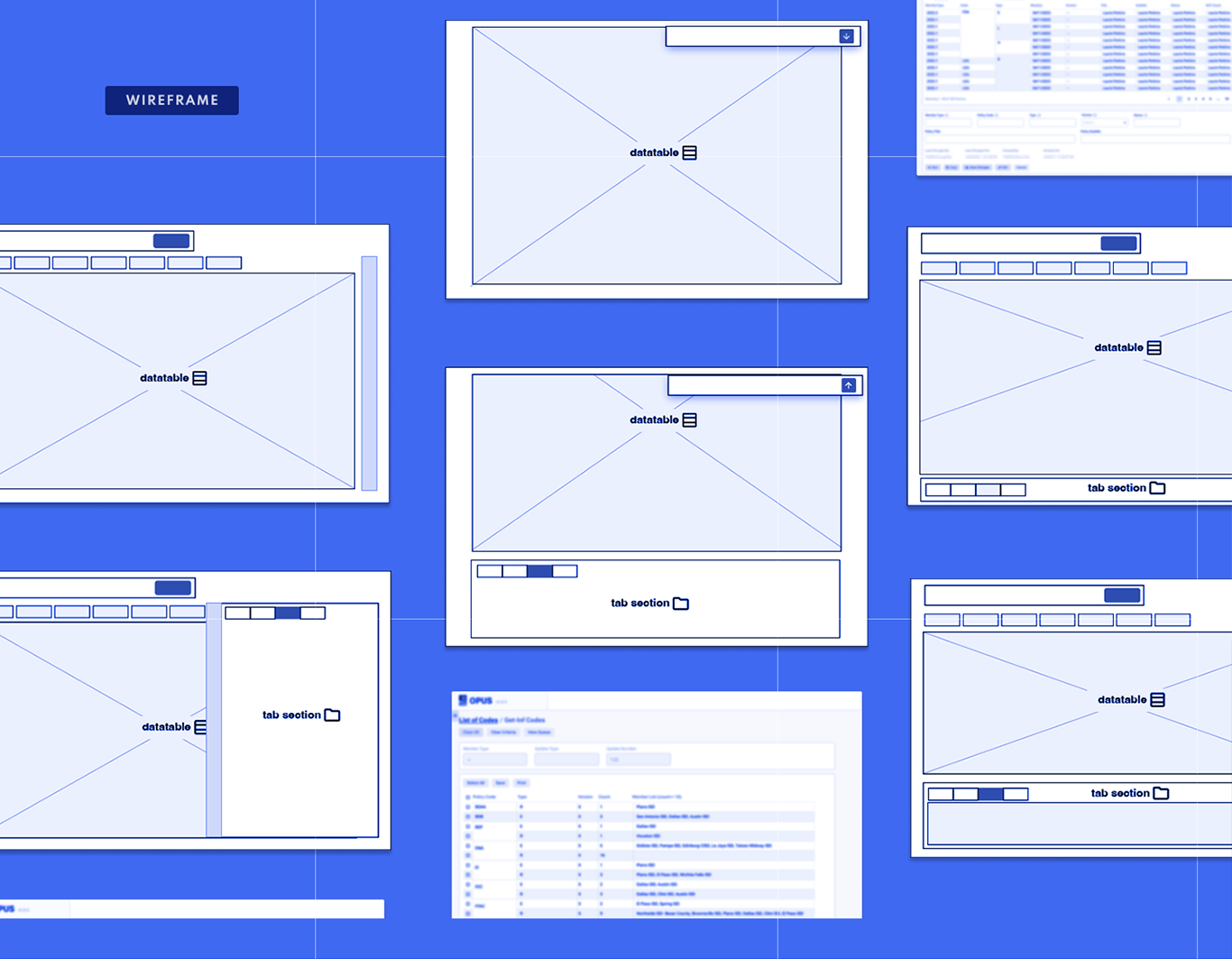
Creating a System out of Chaos: By Phase 4, I audited the screens we’d built and realized we could consolidate almost everything into 3 or 4 core templates. Standardizing these common functions allowed us to move twice as fast in the later stages.
Building for the “Always-On” User: We eventually stopped just replicating old features and started building things that 2002 technology couldn’t do. We combined fragmented pages, built live workload dashboards, and killed off those “Hey, did you see my email?” status checks.
The Result
Despite the inevitable “end-of-project” technical hiccups, OPUS crossed the finish line.
Adoption: The rollout was smooth because the users saw their own feedback reflected in the final UI.
Efficiency: We successfully traded “shadow email chains” for a unified reporting system.
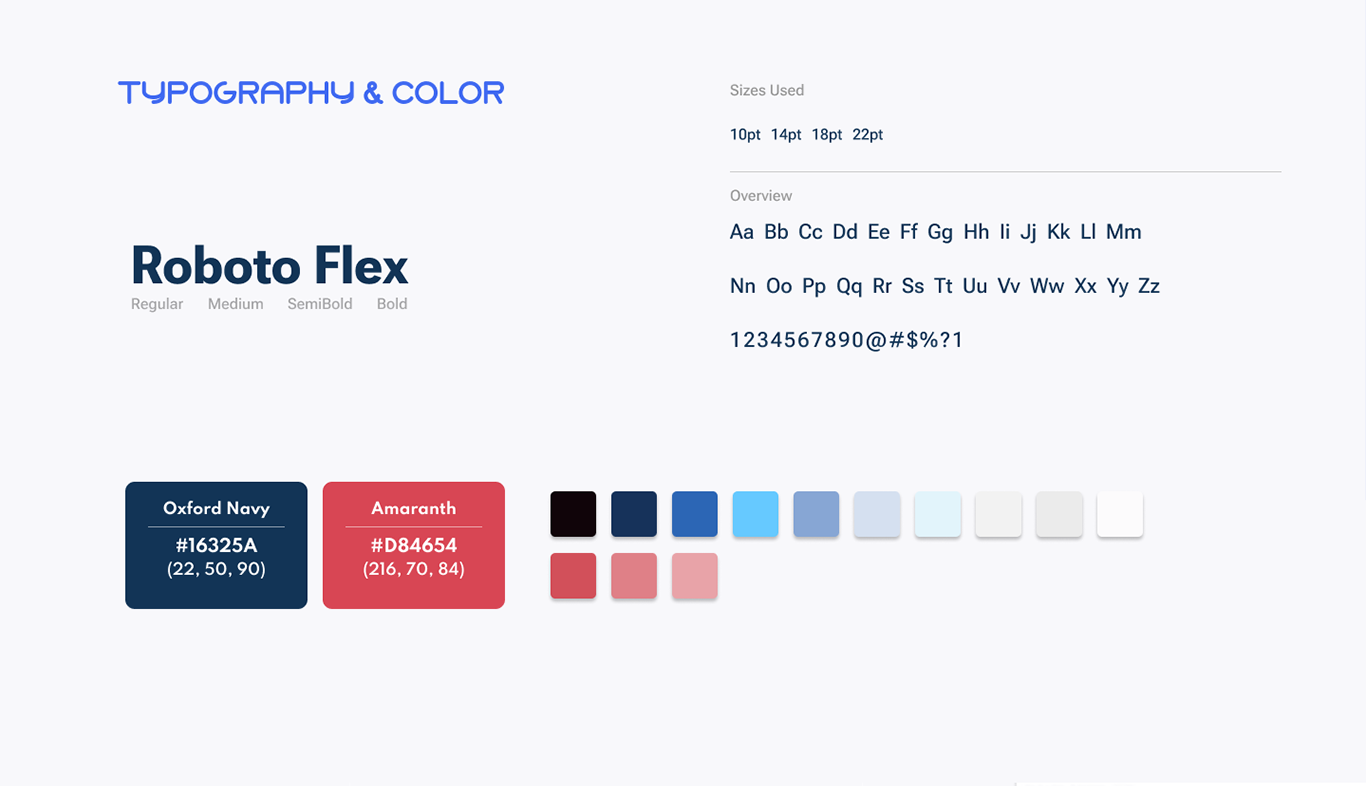
Legacy: The component library I built is now being used to kickstart other internal products for the client.
Lessons from the Trenches
Trust the Veterans: I learned that 20-year power users aren’t “resistant to change”—they’re resistant to bad change. If you involve them, they’ll tell you exactly how to build a better tool.
Standardize Early: If I could go back, I’d build the template system in Phase 1 instead of Phase 4. It’s much harder to organize a house once all the furniture is already inside.
Design is a Bridge: Being “one phase ahead” of engineering only works if you’re constantly talking to them. Learning the limits of our Vue/C# stack early on saved us weeks of rework.
Date:
January 15, 2026